 GH House, 21/22 Yogeshwar krupa soc, Above spyran masala, Near Vasna D- Mart, Vasna road, Vadodara
 info@moduline.co.in
 +91 9033267754
- Bedroom Furniture
- 8 minute read
A wardrobe is more than just a storage unit—it plays a key role in maintaining organization, convenience, and daily efficiency. Poor internal planning often leads to clutter, wasted space, and difficulty in managing belongings. A well-thought-out layout ensures that everything is stored systematically, making daily routines smoother and more efficient.
Designing a storage system that aligns with modern living requires flexibility and thoughtful planning, which is where a Modular Wardrobe becomes highly effective. It allows homeowners to structure internal sections based on usage, ensuring better accessibility and organization. With the right approach, a wardrobe can become both functional and visually appealing.
Understanding Wardrobe Internal Layout
The internal layout of a wardrobe determines how efficiently space is utilized and how easily items can be accessed. Without proper segmentation, even a spacious wardrobe can feel disorganized and difficult to manage. Planning internal divisions helps create a system where each item has its designated place.
Instead of random storage, a structured Modular Wardrobe layout introduces clearly defined zones for different categories such as clothing, accessories, and essentials. This approach improves usability while maintaining a clean and organized look. Proper layout planning ensures that the wardrobe supports everyday convenience without creating unnecessary clutter.
Sections Every Wardrobe Should Include
A well-organized wardrobe is divided into multiple sections, each serving a specific purpose. These sections help maintain order and ensure that different types of items are stored appropriately, making them easy to access when needed.
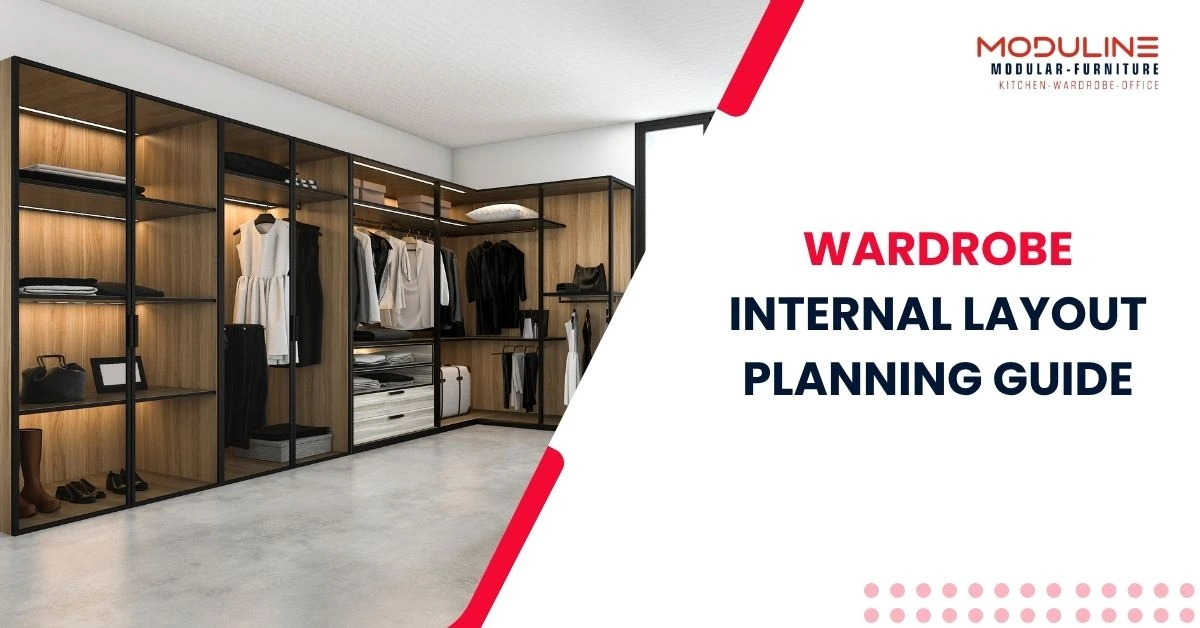
Creating dedicated compartments within a Modular Wardrobe allows better organization and efficient use of space. By separating hanging clothes, folded items, and accessories, the wardrobe becomes more practical and user-friendly. This structured design reduces clutter and enhances overall functionality.
Key sections include:
- Hanging space for shirts, dresses, and coats
- Shelves for folded clothing
- Drawers for accessories and essentials
- Shoe storage sections
- Separate compartments for bags and valuables
Planning Based on Lifestyle Needs
Every individual has unique storage habits, and a wardrobe should reflect these preferences to provide maximum convenience. A one-size-fits-all design may not meet specific needs, leading to inefficient usage of space.
Customizing the layout of a Modular Wardrobe ensures that it aligns with daily routines and personal requirements. Whether it’s additional hanging space for formal wear or extra drawers for accessories, personalization helps create a wardrobe that is both functional and comfortable to use. This approach improves long-term usability and satisfaction.
Space Optimization for Small Bedrooms
Small bedrooms require efficient planning to ensure that the wardrobe does not occupy unnecessary space while still offering sufficient storage. Poor design choices can make the room feel cramped and reduce overall comfort.
A compact Modular Wardrobe can be designed with vertical storage, sliding mechanisms, and multi-purpose compartments to maximize available space. These features help create a balance between storage and aesthetics, ensuring that the room remains open and organized. Smart space utilization enhances both functionality and visual appeal.
Key ideas include:
- Use full-height storage units
- Add vertical compartments
- Opt for sliding doors
- Include multi-functional sections
- Keep layout simple and efficient
Sliding vs Hinged Wardrobe Layouts
The choice between sliding and hinged wardrobes depends on space availability and user preference. Each option offers distinct advantages that affect accessibility, storage efficiency, and overall design.
Selecting the right format for a Modular Wardrobe ensures that it complements the room layout while providing ease of use. Sliding wardrobes are ideal for compact spaces, while hinged wardrobes offer full visibility and access. Understanding these differences helps in making a practical and efficient decision.
Smart Storage Accessories for Wardrobes
Modern wardrobes are designed to enhance convenience by incorporating advanced storage accessories. These additions help improve organization and make it easier to manage everyday essentials.
Integrating smart features into a Modular Wardrobe such as pull-out trays, adjustable shelves, and dedicated organizers ensures better accessibility and efficient use of space. These accessories allow users to store items systematically, making daily routines more convenient and organized.
Key accessories include:
- Pull-out drawers and trays
- Tie and belt organizers
- Jewelry compartments
- Adjustable shelves
- Soft-close storage systems
Internal Zoning for Better Organization
A well-planned wardrobe is not just about adding sections, but about creating logical zones that improve accessibility and organization. Without proper zoning, items can get mixed up, making it difficult to maintain order over time. Dividing the wardrobe into clear zones helps streamline daily routines and ensures everything is easy to locate.
Creating zones inside a Modular Wardrobe allows you to group similar items together, such as formal wear, casual clothes, accessories, and seasonal items. This structured arrangement reduces clutter and improves usability. With proper zoning, the wardrobe becomes more intuitive to use and supports better long-term organization.
Key zoning ideas include:
- Separate sections for daily and occasional wear
- Dedicated space for accessories
- Seasonal storage compartments
- Easy-access zones for frequently used items
- Hidden storage for valuables
Looking to design a perfectly organized wardrobe for your space? Contact us today for smart Modular Wardrobe solutions tailored to your lifestyle.
Seasonal Storage Planning in Wardrobes
Managing seasonal clothing efficiently is an important part of wardrobe organization that is often overlooked. Without proper planning, off-season clothes can occupy valuable space, making the wardrobe feel cluttered and difficult to manage. A structured approach helps maintain order throughout the year.
A well-organized Modular Wardrobe can include dedicated sections for seasonal storage, allowing you to rotate items based on usage. Upper shelves, loft spaces, and less accessible compartments can be used to store items that are not needed daily. This keeps frequently used clothes within reach while maintaining a clean and organized layout.
Key ideas include:
- Use top shelves for off-season clothing
- Store winter or festive wear separately
- Rotate clothes based on season
- Use boxes or organizers for better arrangement
- Keep daily essentials easily accessible
Budget Planning for Modular Wardrobes
Creating a wardrobe within a budget requires careful planning and prioritization of essential features. Without proper control, costs can increase due to unnecessary customization and premium materials.
A cost-efficient Modular Wardrobe focuses on balancing affordability with functionality by selecting practical designs and durable materials. By avoiding excessive detailing and focusing on essential elements, homeowners can achieve a stylish and efficient wardrobe without overspending. Smart budgeting ensures long-term value and usability.
Key tips include:
- Choose standard sizes
- Use affordable materials
- Limit customization
- Focus on essential features
- Plan layout efficiently
Customization and Personalization Options
Personalization is an important aspect of wardrobe design, as it allows homeowners to create a space that suits their preferences and lifestyle. A customized wardrobe enhances both usability and visual appeal.
Design flexibility in a Modular Wardrobe allows for various configurations, finishes, and storage solutions that match individual needs. This ensures that the wardrobe is not only functional but also complements the overall interior design, creating a cohesive and modern look.
Common Mistakes to Avoid in Wardrobe Layout Planning
Mistakes in wardrobe design can lead to inefficient storage, wasted space, and inconvenience in daily use. Poor planning often results in clutter and lack of accessibility, affecting overall functionality.
Avoiding common errors while designing a Modular Wardrobe ensures that the layout remains practical and efficient over time. Proper segmentation, accessibility, and future planning are key factors in creating a wardrobe that meets both current and long-term needs.
Key mistakes include:
- Ignoring vertical space
- Lack of proper compartments
- Overloading with unnecessary features
- Poor accessibility planning
- Not considering future needs
Frequently Asked Questions
Plan sections for hanging, shelves, and drawers based on usage to ensure organized and easy access to all items.
Sliding wardrobes with vertical storage help save space and improve organization in compact rooms.
Store off-season items in upper or less-used sections and rotate them as needed to maintain space.
Yes, a well-planned layout reduces search time and makes accessing items quicker and easier.
Avoid poor layout, lack of compartments, and ignoring future storage needs to maintain long-term usability.
Conclusion
A well-planned wardrobe internal layout plays a crucial role in maintaining organization, improving accessibility, and enhancing daily convenience. It ensures that every item is stored efficiently, reducing clutter and creating a more structured living environment. Thoughtful planning transforms a simple storage unit into a highly functional space.
Choosing a Modular Wardrobe allows homeowners to benefit from flexibility, customization, and long-term usability. With the right design approach, it becomes easier to manage belongings while maintaining a clean and modern look. A properly designed wardrobe adds both practicality and value to everyday living.
