Skip to content
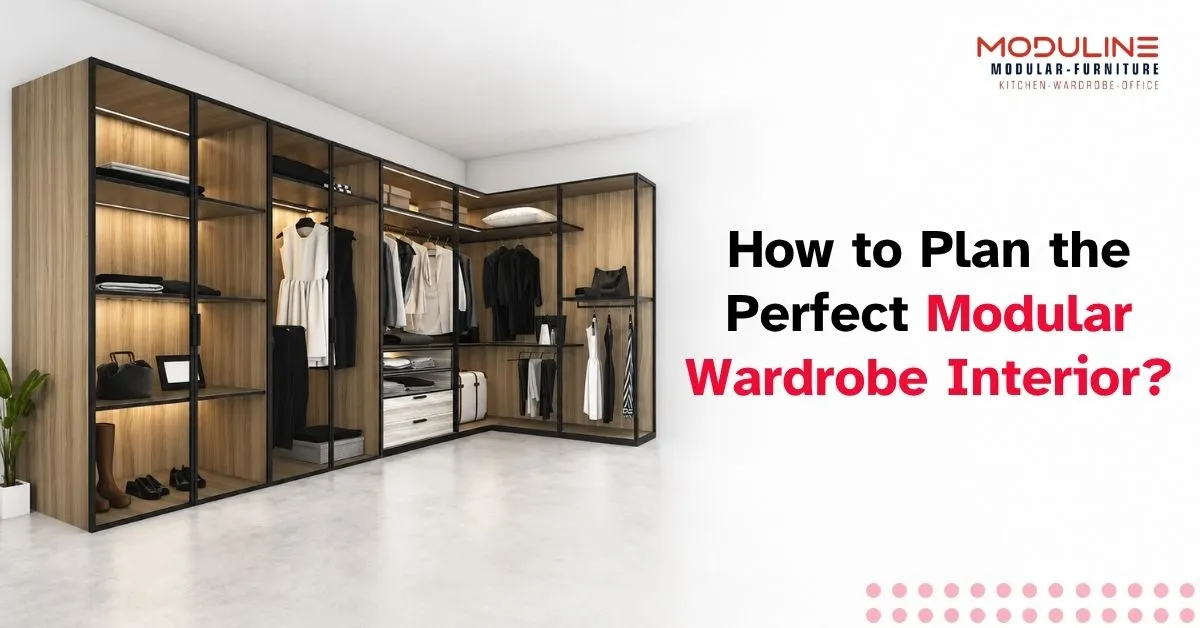
How to Plan the Perfect Modular Wardrobe Interior?

A well-planned wardrobe can make a bedroom feel more organized and easier to manage. While the exterior design often gets the most attention, the internal layout determines how conveniently clothes, footwear, accessories, and other belongings can be stored and accessed.

Planning a Modular Wardrobe interior is therefore about more than adding shelves and drawers. It requires understanding your storage habits, available space, and everyday requirements. A thoughtful Wardrobe Internal Layout can help maximize storage while keeping everything easy to find and use.

Understand Your Storage Requirements

The first step in planning a Modular Wardrobe Interior is identifying what you actually need to store. Different belongings require different types of storage, so the internal configuration should be based on your lifestyle rather than a standard arrangement.

Consider:

  • Hanging space for garments
  • Shelves for folded clothes
  • Drawers for smaller belongings
  • Shoe storage
  • Space for accessories
  • Additional storage for seasonal items

Understanding these requirements makes Modular Wardrobe Storage more practical and prevents valuable space from being underused.

Divide the Wardrobe into Functional Sections

An organized wardrobe should give different belongings their own dedicated spaces. Hanging sections are useful for garments that need to remain accessible, while adjustable shelves provide flexibility for folded clothing and other items.

Drawer organizers can help arrange smaller belongings, while shoe racks keep footwear separated and accessible. Pull-out trays are another practical feature for items that need to be reached regularly.

Combining these Wardrobe Storage Solutions creates a cleaner internal arrangement and makes everyday organization easier.

Use Vertical Space Efficiently

When bedroom space is limited, making use of the wardrobe’s height can increase storage capacity without taking up additional floor area. Loft storage is particularly useful for belongings that are not needed every day.

Seasonal clothing or less frequently used items can be kept in loft sections, leaving the more accessible areas available for everyday belongings. This approach makes a Custom Modular Wardrobe more efficient without making the bedroom feel unnecessarily crowded.

Select the Right Wardrobe Type

The wardrobe’s door style should complement the available bedroom space and your preferred functionality.

  • Sliding Door Wardrobe: A practical option for compact rooms where door-opening space is limited.
  • Hinged Door Wardrobe: Suitable for bedrooms where there is sufficient clearance in front of the wardrobe.
  • Walk-in Wardrobe: Provides dedicated sections for clothes, accessories, and footwear where adequate space is available.
  • Mirror Wardrobe: Combines storage with a mirror, providing dual functionality while enhancing bedroom aesthetics.

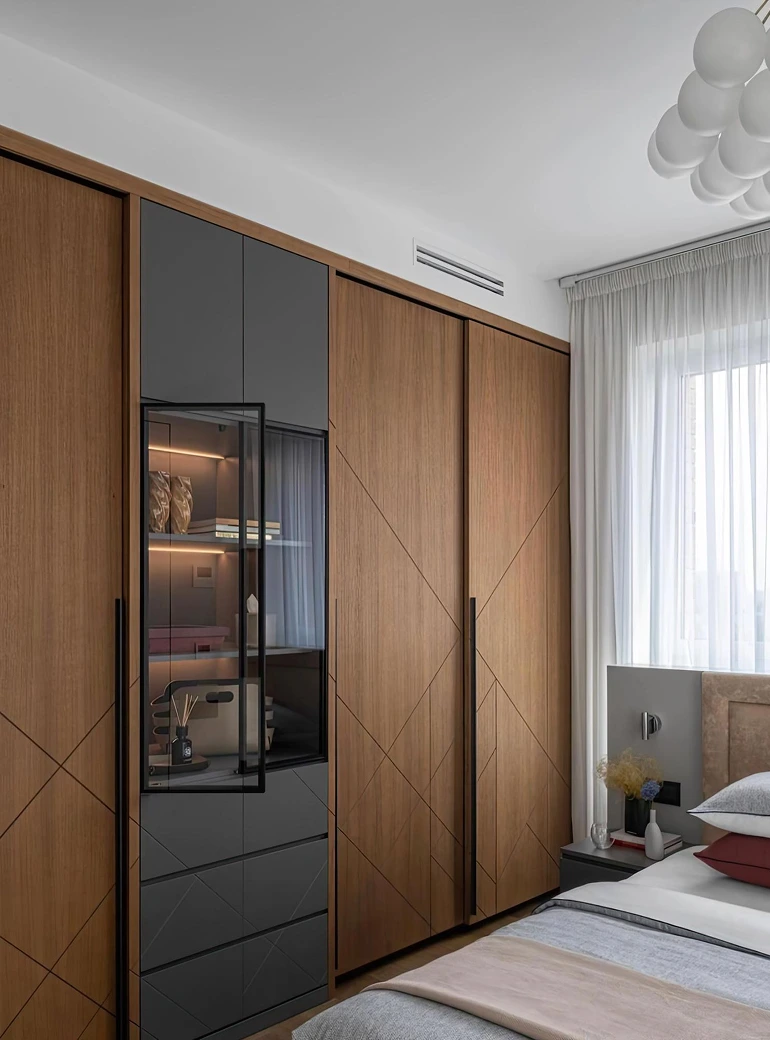
Choosing the right configuration is an important part of Bedroom Wardrobe Design, particularly when space and accessibility are major considerations.

Choose Suitable Materials and Finishes

Materials and finishes influence the wardrobe’s appearance, durability, and maintenance requirements. Available options include waterproof and termite-proof plywood, WPC, laminates, acrylic, Acry-Glass, PU and lacquer, membrane, veneer, solid wood, and back-painted glass.

For a modern Modular Wardrobe Design, the finish should complement the bedroom interior while matching your practical requirements. The material selection can also be considered according to the desired appearance and level of durability.

Plan Storage Around Everyday Convenience

A good Wardrobe Organization system should make frequently used belongings easy to access. In a Modular Wardrobe, frequently worn clothes can be placed in easily reachable sections, while less-used items can occupy loft storage.

Features such as soft-close hinges and channels can also improve everyday usability. Adjustable shelves provide flexibility when storage requirements change, making the wardrobe easier to reorganize over time.

Planning a Modular Wardrobe Interior

Storage NeedSuitable Feature
Folded clothesAdjustable shelves
Small accessoriesDrawer organizers
Hanging garmentsHanging sections
FootwearShoe racks
Frequently used itemsPull-out trays
Seasonal belongingsLoft storage

Why Customization Matters?

Every bedroom has different dimensions, and every homeowner has different storage habits. A customized Modular Wardrobe allows the size, finish, internal layout, and design style to be planned according to individual requirements.

Instead of adapting your belongings to a fixed storage arrangement, customization allows the wardrobe to be designed around how you actually use your space. This can improve organization while making better use of the available bedroom area.

Planning a Modular Wardrobe? Contact us for customized solutions tailored to your space, storage needs, materials, and style.

Plan Easy Access to Frequently Used Items

A well-planned Modular Wardrobe Interior should make everyday items easy to reach. Keep frequently used clothes, accessories, and essentials in sections that are comfortable to access without excessive bending or stretching. Pull-out trays and drawer organizers can be useful for smaller items, while hanging sections can keep regularly worn clothes organized and visible. This simple approach makes Modular Wardrobe Storage more convenient and helps maintain an organized bedroom.

Keep Future Storage Needs in Mind

Your storage requirements may change over time, so flexibility is an important part of Modular Wardrobe Design. Consider adjustable shelves and adaptable internal sections that can accommodate changing clothing, accessories, or household storage needs. Planning with some additional capacity also prevents the wardrobe from becoming overcrowded later. A flexible Custom Modular Wardrobe can therefore remain practical and organized as your lifestyle and storage requirements evolve.

Frequently Asked Questions

Start by identifying your clothing, footwear, accessories, and seasonal storage requirements. Then plan dedicated sections using shelves, drawers, hanging areas, and other suitable storage features.

Adjustable shelves, drawer organizers, hanging sections, pull-out trays, shoe racks, loft storage, and soft-close hinges and channels can improve organization and convenience.

A Sliding Door Wardrobe can be suitable for compact bedrooms where there is limited space for door opening.

Yes. Size, finish, internal layout, and design style can be customized according to room dimensions and individual storage requirements.

Options include waterproof and termite-proof plywood, WPC, laminates, acrylic, Acry-Glass, PU and lacquer, membrane, veneer, solid wood, and back-painted glass.

Conclusion

The perfect Modular Wardrobe interior starts with understanding how you use your storage space. By dividing the wardrobe into functional sections, utilizing vertical space, selecting suitable storage features, and choosing the right materials and finishes, you can create a practical and organized bedroom storage solution.

A customized Modular Wardrobe Design allows the internal layout to work around your specific requirements instead of relying on a fixed arrangement. With thoughtful planning, every section can contribute to better organization, accessibility, and everyday convenience.

Back To Top
WhatsApp chat