Skip to content
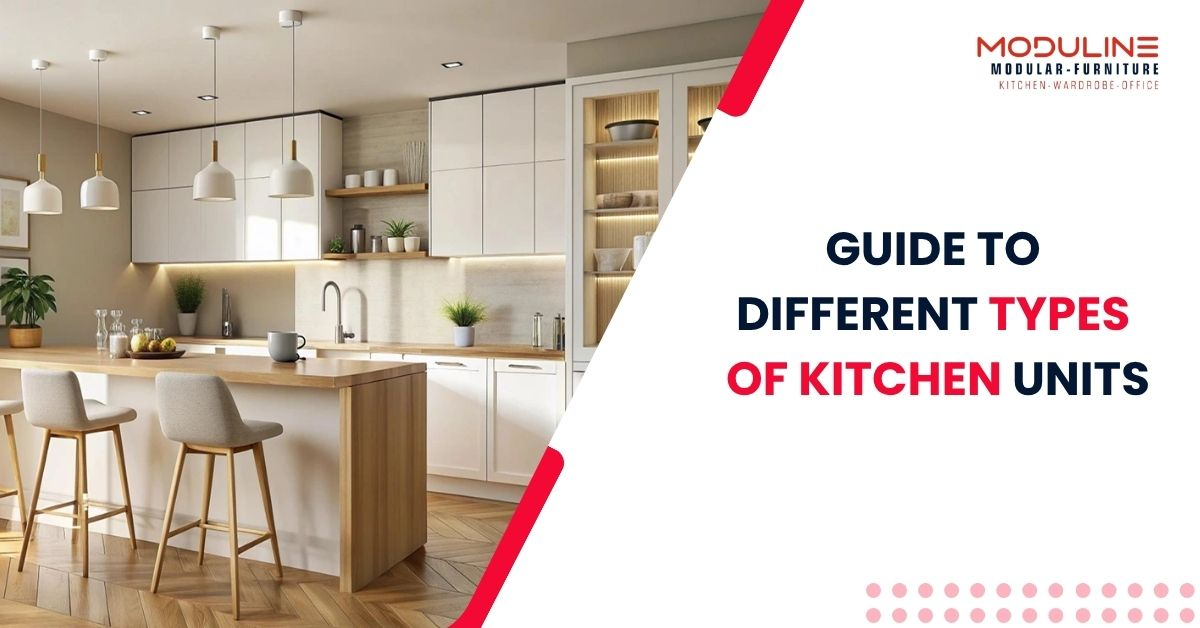
Guide to Different Types of Kitchen Units

Designing a kitchen that is both functional and visually appealing requires a clear understanding of how different units work together. A Modular Kitchen is made up of multiple units, each designed to serve a specific purpose such as storage, accessibility, and workflow management. These units are carefully planned to ensure that every part of the kitchen is utilized efficiently without creating clutter.

Choosing the right combination of units plays a major role in improving daily usability. A well-designed Modular Kitchen ensures that frequently used items are easily accessible, while less-used items are stored efficiently. By understanding how each unit functions, homeowners can create a kitchen layout that enhances both convenience and overall design.

Understanding Kitchen Units in Modular Kitchen

Kitchen units are the core structural elements that define how storage and functionality are organized in a Modular Kitchen. These units include cabinets, drawers, and storage sections designed to accommodate different kitchen items such as utensils, groceries, and appliances. Each unit is strategically placed to support smooth workflow and efficient use of space.

The combination of different units ensures that every area of the kitchen serves a purpose. A well-planned Modular Kitchen uses a mix of base, wall, and tall units to create a balanced layout that maximizes storage while maintaining accessibility. Proper understanding of these units helps in designing a kitchen that is both practical and easy to manage.

Key points:

  • Units define kitchen structure
  • Improve storage organization
  • Support efficient workflow
  • Maximize space utilization

Importance of Choosing the Right Kitchen Units

Selecting the right kitchen units is essential for achieving both functionality and long-term efficiency. A Modular Kitchen with well-chosen units ensures that storage is optimized and daily activities are performed smoothly without unnecessary effort. The right units help reduce clutter and improve accessibility, making the kitchen more user-friendly.

Different kitchens have different requirements based on size, layout, and usage patterns. Choosing suitable units for a Modular Kitchen ensures that space is used effectively and the design remains practical over time. Proper selection also helps in maintaining a clean and organized environment, which enhances the overall kitchen experience.

Key points:

  • Improves functionality
  • Enhances accessibility
  • Reduces clutter
  • Supports long-term usability

Types of Kitchen Units in Modular Kitchen

A Modular Kitchen includes different types of units designed to meet specific storage and functional needs. Each unit plays a role in organizing the kitchen and improving overall workflow.

Base Units in Modular Kitchen

Base units are installed at floor level and form the foundation of the kitchen structure, supporting the countertop and storing heavy items. In a Modular Kitchen, these units are designed to handle daily usage, including storing cookware, utensils, and appliances, making them one of the most important components of the kitchen layout.

They also help in organizing essential items that are used frequently during cooking. A well-designed Modular Kitchen ensures that base units are positioned strategically to provide easy access and maintain smooth workflow while preparing meals.

Key points:

  • Located at floor level
  • Supports countertop structure
  • Stores heavy items
  • Essential for daily use

Wall Units in Modular Kitchen

Wall units are mounted above the countertop and are used for storing frequently used items such as spices, utensils, and small containers. In a Modular Kitchen, they help utilize vertical space effectively, keeping the countertop clear and organized.

These units also improve accessibility by placing essential items within easy reach. A properly designed Modular Kitchen ensures that wall units are positioned at a comfortable height, making them convenient to use without affecting workflow.

Key points:

  • Mounted on walls
  • Easy access storage
  • Saves counter space
  • Improves organization

Looking to design your Modular Kitchen with the right units and layout? Contact us today for expert planning and customized kitchen solutions.

Tall Units in Modular Kitchen

Tall units extend from floor to ceiling and provide maximum storage capacity for bulk items and appliances. In a Modular Kitchen, they are ideal for storing groceries, pantry items, and large kitchen tools, helping keep the rest of the kitchen clutter-free.

These units are especially useful in maintaining organization by separating bulk storage from daily-use areas. A well-planned Modular Kitchen uses tall units to maximize vertical space and improve overall storage efficiency.

Key points:

  • Full-height storage
  • Stores bulk items
  • Maximizes vertical space
  • Keeps kitchen organized

Corner Units in Modular Kitchen

Corner units are designed to utilize spaces that are often left unused in traditional kitchen layouts. In a Modular Kitchen, they include mechanisms such as rotating trays or pull-out systems that make it easier to access items stored in corners.

These units help in maximizing storage without wasting space. A well-designed Modular Kitchen ensures that corner units are functional and easy to use, improving overall efficiency.

Key points:

  • Utilizes corner space
  • Improves storage efficiency
  • Easy access systems
  • Reduces wasted space

Drawer Units in Modular Kitchen

Drawer units are used for organizing small kitchen items such as cutlery, tools, and accessories in a structured way. In a Modular Kitchen, they provide easy access and improve organization, making daily tasks more convenient.

By dividing storage into smaller sections, drawer units help in reducing clutter and saving time. A well-designed Modular Kitchen ensures that drawers are placed in convenient locations for efficient usage.

Key points:

  • Ideal for small items
  • Easy accessibility
  • Organized storage
  • Reduces clutter

Pantry Units in Modular Kitchen

Pantry units are designed to store groceries and food items in an organized and accessible manner. In a Modular Kitchen, they provide better visibility and help keep items well-organized and easy to find.

These units improve storage capacity and make it easier to manage bulk items. A well-planned Modular Kitchen uses pantry units to enhance organization and maintain a clutter-free environment.

Key points:

  • Stores groceries efficiently
  • Improves visibility
  • Organized storage
  • Easy access

How to Choose the Right Kitchen Units?

Choosing the right kitchen units requires careful evaluation of space, layout, and usage requirements. A Modular Kitchen should include units that match daily needs while ensuring efficient use of available space. Selecting the right combination of units helps create a balanced design that supports both storage and functionality.

It is also important to consider long-term usability and maintenance while selecting units. A well-designed Modular Kitchen ensures that units are durable, easy to use, and adaptable to future needs, making the kitchen more practical and efficient.

Selection tips:

  • Analyze kitchen layout
  • Identify storage needs
  • Choose space-saving units
  • Plan for long-term use

Frequently Asked Questions

Base units, wall units, tall units, corner units, drawer units, and pantry units are the main types used in modular kitchen designs.

Tall units and pantry units provide maximum storage capacity and are ideal for storing bulk items and groceries efficiently.

Corner units help utilize unused space efficiently and improve storage capacity without wasting valuable kitchen area.

Yes, drawer units help organize small items, improve accessibility, and reduce clutter, making them essential for efficient kitchen usage.

Choose based on kitchen size, layout, storage needs, and daily usage to ensure better functionality and space utilization.

Yes, but they should use compact and space-saving versions of units to maintain efficiency and avoid overcrowding.

Conclusion

Understanding the different types of kitchen units is essential for designing a functional and efficient Modular Kitchen. Each unit contributes to improving storage, accessibility, and workflow, making it easier to manage daily kitchen activities. By selecting the right combination of base, wall, tall, and specialized units, homeowners can create a space that is both practical and visually appealing.

A well-planned Modular Kitchen not only enhances convenience but also ensures long-term usability and organization. Investing time in selecting the right units helps create a kitchen that supports efficiency, reduces clutter, and provides a comfortable cooking experience for years to come.

Back To Top
WhatsApp chat